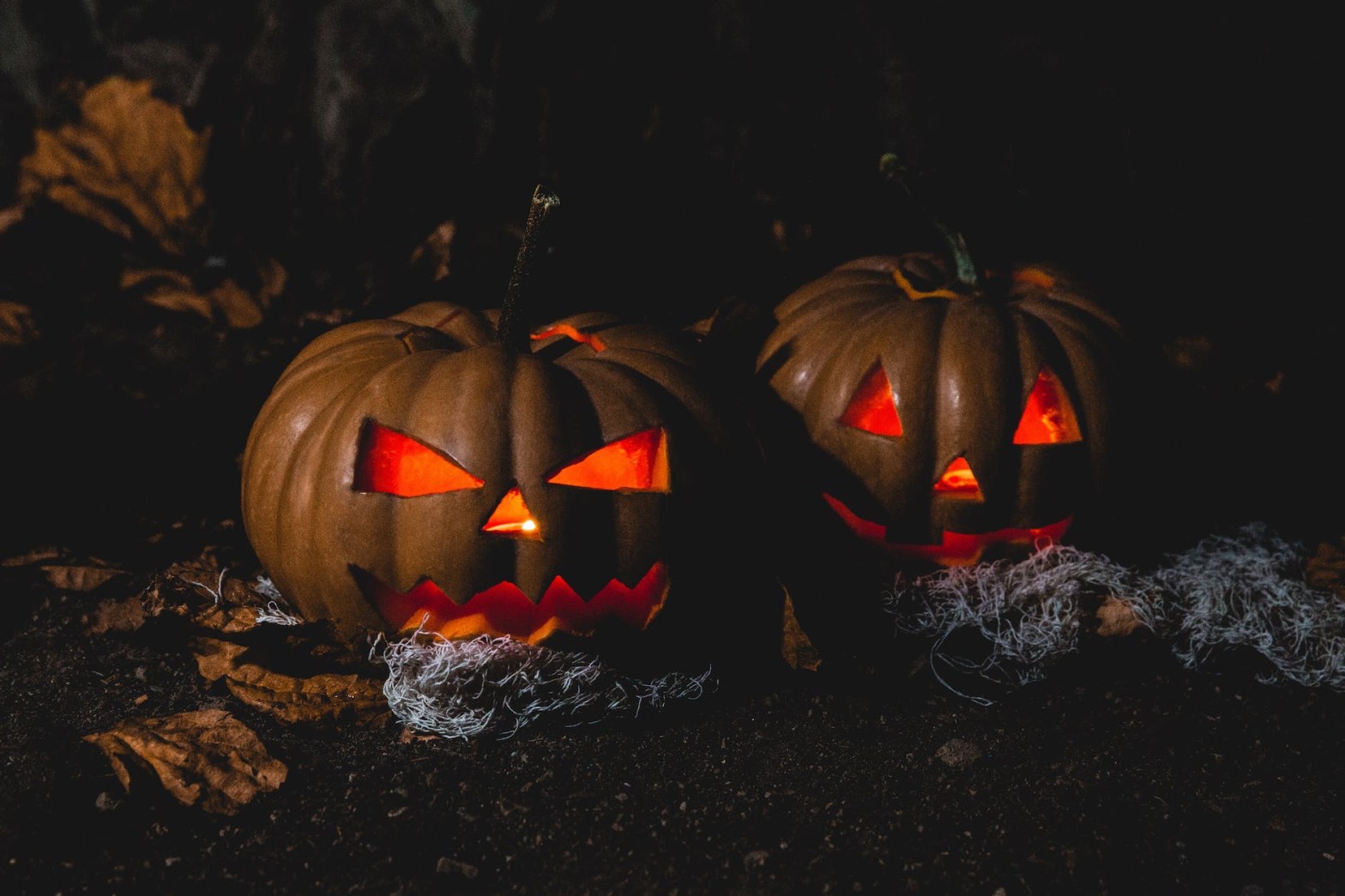
It’s clear that we find ourselves entering the enchanting time of Samhain (pronounced Sawen). Derived from the Gaelic word meaning “summer’s end,” Samhain is an ancient Celtic festival with deep roots and spiritual significance. It marks the end of the harvest season and the beginning of the darker half of the year.
However, Samhain is more than just a seasonal transition; it is a time to honor our ancestors, embrace the cycles of life and death and connect with the unseen realms. For millennia, this is a time when the “veils are thin”, meaning that we can more easily connect with our intuition and receive messages from unseen realms.
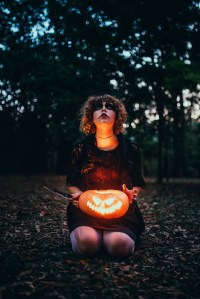
Samhain is traditionally celebrated in three stages. The first stage is the preparation for winter, where the final harvest is gathered, and the community comes together to store food and resources for the colder months ahead. This stage reminds us of the importance of gratitude and abundance.
The second stage is the honoring of the ancestors. During Samhain, the veil between the living and the spirit realm is believed to be the thinnest, allowing for a profound connection with our ancestors. Ancient practices such as setting a place at the table for departed loved ones, lighting candles and offering food and drink are common during this time. By honoring our ancestors, we acknowledge their wisdom, guidance, and the legacy they have left behind.
The final stage of Samhain is the celebration of the cycles of life and death. It is a time to reflect on our own mortality and embrace the transformative power of endings and beginnings. Rituals such as bonfires, divination and the wearing of costumes or masks are practiced to symbolise the shedding of old identities and the embracing of new possibilities.

Interestingly, the modern-day celebration of Halloween has its roots in Samhain. As Christianity spread, the church incorporated elements of Samhain into All Hallows’ Eve, which eventually became Halloween. This blending of traditions gave rise to practices such as dressing up in costumes, carving pumpkins and going door-to-door for treats.
The origin of the Jack-o’-lantern can be traced back to the ancient Celtic festival of Samhain. During Samhain, people would carve turnips or potatoes into lanterns and place them outside their homes to ward off evil spirits. These lanterns, known as “will-o’-the-wisps” or “Jack-o’-lanterns,” were believed to guide the spirits of the deceased and protect the living from malevolent entities.
The practice of carving faces into these lanterns originated from the legend of Stingy Jack, a notorious trickster who was said to have trapped the Devil himself. When Jack died, he was denied entry into both heaven and hell, and was left to wander the earth with only a burning coal inside a hollowed-out turnip to light his way. This tale became intertwined with the Samhain tradition, and over time, the turnips were replaced with pumpkins, which were more readily available in North America.
Today, the Jack-o’-lantern remains a prominent symbol of Halloween, serving as a decorative and festive element during the season.
Samhain holds the roots of many Halloween traditions, including dressing up and trick-or-treating. During Samhain, because the veil between the living and spirit realms is believed to be thin, the spirits and fairies can freely roam the earth. To protect themselves from these otherworldly beings, people would disguise themselves by wearing costumes and masks. This practice served as a way to confuse and ward off any malevolent spirits that may be lurking.
Additionally, the tradition of trick-or-treating can be traced back to the custom of leaving offerings of food and treats outside one’s home to appease and distract these spirits.
Over time, this evolved into children going door-to-door, dressed in costumes, and receiving treats in exchange for not playing tricks. These traditions have carried on through the ages and continue to be cherished aspects of Halloween celebrations today.
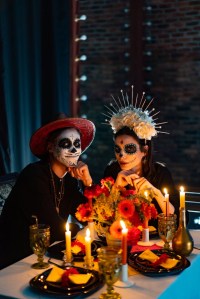
Samhain-like festivals and practices can be found in various cultures around the world. In Mexico, the Day of the Dead (Dia de los Muertos) is celebrated with vibrant altars, sugar skulls and gatherings at cemeteries to honor departed loved ones. In Japan, the Obon festival is held to welcome the spirits of ancestors back to the earthly realm. Every culture has its own traditions for honouring their dead, I’d love to hear about yours; reach out on Instagram @ShamanicHeartspace and let me know.
As we approach this magical time of Samhain, you can choose to mark it with reverence and intention. For example, create a sacred space in your home, light candles, offer gratitude to your ancestors and so on. Many engage in divination practices such as tarot readings or scrying but taking time for introspection, journaling and reflecting on the lessons and growth you have experienced can be so potent and powerful st this time.
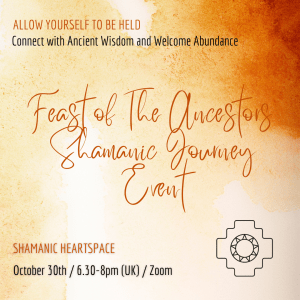
To further deepen your connection with Samhain, I invite you to join my online event Feast of The Ancestors on October 30th. This special gathering will provide a sacred space to honor the ancestors, engage in a shamanic journey and connect with a community of like-minded individuals. By joining this event, you will have the opportunity to experience the transformative energy of Samhain and receive guidance and support on your spiritual growth journey.
May this Samhain be a time of deep reflection, connection, transformation and deep love for you. I hope you can embrace the sacredness of this ancient festival and allow its magic to guide and light you up.
Wishing you a blessed Samhain and a journey filled with wisdom and growth.
Nancy
 Shamanic Heartspace