Eclipses have fascinated and captivated humanity for centuries. Our ancestors held a variety of beliefs and interpretations surrounding these events. From ancient civilisations to indigenous cultures, eclipses were seen as significant cosmic occurrences that were held with both awe and fear. Let’s look at some of the fascinating beliefs and interpretations that our ancestors held about eclipses, and shed a little light on the rich cultural and spiritual perspectives.
Ancient Civilisations: Omens and Divine Messages
For ancient civilisations, such as the Babylonians, Egyptians and Greeks, eclipses were often seen as omens from the gods. They believed that eclipses signalled impending doom, wars or the death of a ruler. These civilisations closely observed and recorded astrological events, associating them with significant events in their societies. Eclipses were seen as a reminder of the power and influence of the gods and were often accompanied by rituals and offerings to appease the deities.
Indigenous Cultures: Cosmic Battles and Transformation
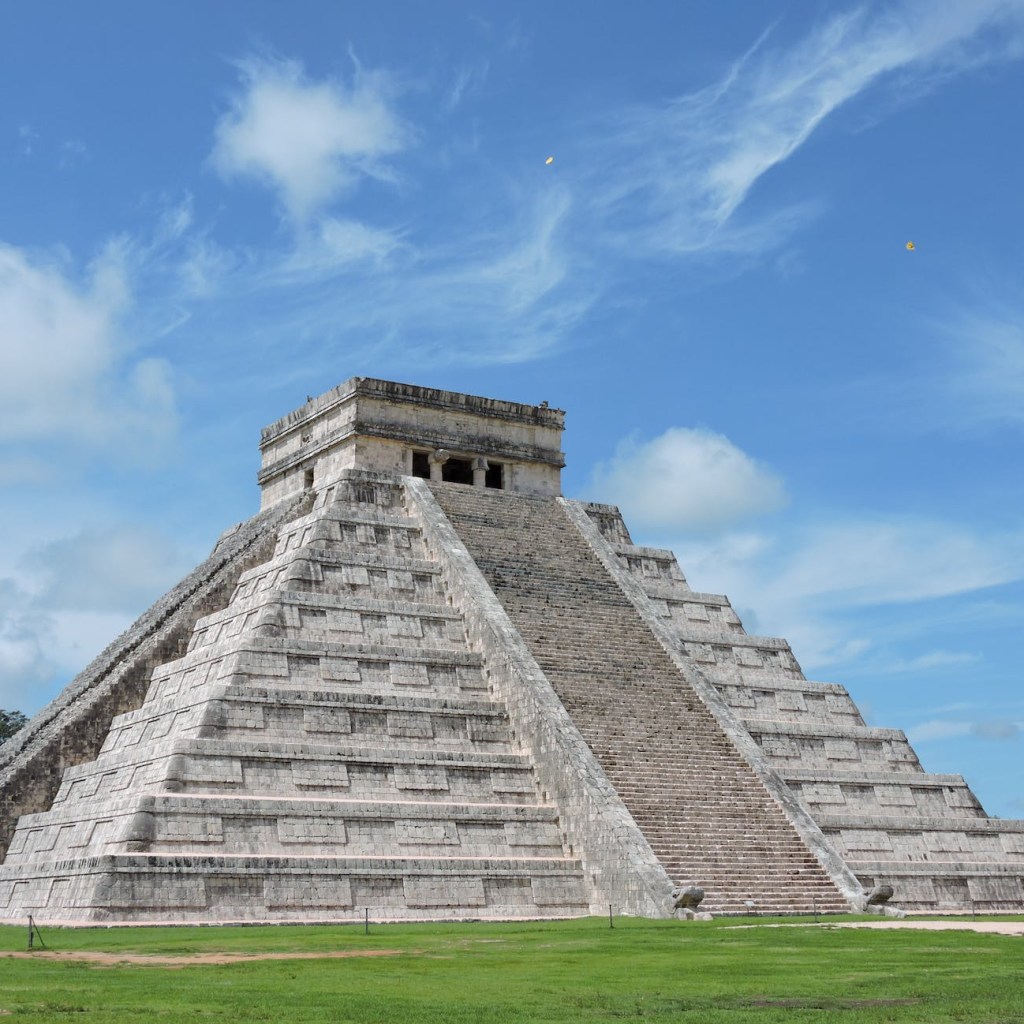
Indigenous cultures around the world, including Mayans, Native American tribes and Australian Aboriginal communities, had their own unique interpretations of eclipses. Many believed that eclipses represented cosmic battles between celestial beings or animals. For example, some Native American tribes saw the Sun and Moon as celestial lovers, and an eclipse was seen as a temporary separation or conflict between them. These cultures also viewed eclipses as times of transformation and spiritual growth, encouraging introspection and connection with the natural world.
Chinese and Indian Traditions: Dragons and Demons
In Chinese culture, eclipses were associated with the mythical creature, the dragon. The belief was that a dragon or celestial creature was devouring the Sun or Moon during an eclipse. To ward off this creature, people would make loud noises, bang drums and shoot arrows into the sky. Similarly, in Indian mythology, eclipses were believed to be caused by demons or negative forces trying to harm the celestial bodies or gods. Rituals and prayers were performed to protect against these malevolent energies.
Mayan Civilisation: Sacred Rituals and Cosmic Cycles
The Mayans, known for their advanced understanding of astronomy, had a deep reverence for eclipses. They believed that eclipses were a time of great cosmic significance, marking the transition between different cycles of time. Mayan priests would perform sacred rituals during eclipses to maintain the balance between the earthly and heavenly realms. Eclipses were seen as opportunities for spiritual connection and introspection, allowing individuals to align themselves with the cosmic energies.
Folklore and Superstitions: Fear and Caution
In addition to these cultural and spiritual beliefs, eclipses were often steeped in folklore and superstition. Many cultures believed that eclipses brought bad luck, and people would stay indoors, avoid eating, or perform rituals to protect themselves from harm. These superstitions were born out of a mixture of fear and respect for the unknown power of eclipses.
The beliefs and interpretations our ancestors held about eclipses were diverse and varied, reflecting their cultural, spiritual and mythological perspectives. Eclipses were seen as cosmic events that held both awe and fear, often associated with omens, battles and transformation. While our understanding of eclipses has evolved through scientific advancements, exploring the beliefs of our ancestors allows us to appreciate the rich tapestry of human history and our enduring fascination with the celestial wonders that unfold above us.

If you’d like to embrace and utilise the eclipse envy this October with me, I have plenty of events available. Join my moon and / or eclipse shamanic journeying circle to help you rid ether storm and stay in alignment. Check you the website or Patreon to discover more ways to tune in with the natural rhythm of life. See you there!
 Shamanic Heartspace