Throughout history, eclipses have captivated the human imagination, inspiring awe and wonder. Our ancestors often interpreted these events through the lens of their cultural beliefs and rituals. Let’s delve into the fascinating world of eclipses and explore how our predecessors perceived and celebrated this cosmic phenomena.
Ancient Civilisations and Eclipses
Eclipses have been observed and recorded by various ancient civilisations, including the Egyptians, Greeks, Mayans and Chinese. These cultures attributed great significance to these celestial occurrences, often associating them with divine intervention or supernatural forces. For instance, the ancient Egyptians believed that during a solar eclipse, the sun god Ra was being attacked by a giant serpent, and they would engage in rituals to protect him.
Myths and Legends

Eclipses have also found their way into numerous myths and legends, serving as a backdrop for captivating stories. In Norse mythology, it was believed that eclipses occurred when the wolves Skoll and Hati chased the sun and moon, respectively, in an attempt to devour them. Similarly, ancient Chinese folklore tells the tale of a celestial dragon swallowing the sun or moon during an eclipse, prompting people to make loud noises to scare away the mythical creature.
Rituals and Superstitions
Ancient cultures often developed rituals and superstitions surrounding eclipses, aiming to appease the gods or ward off evil spirits. In ancient Greece, people would bang pots and pans, believing that the noise would drive away the demons responsible for causing the eclipse. Similarly, the Mayans would light bonfires and engage in communal prayers to ensure the sun’s return during a solar eclipse.
Eclipse Predictions and Astronomy
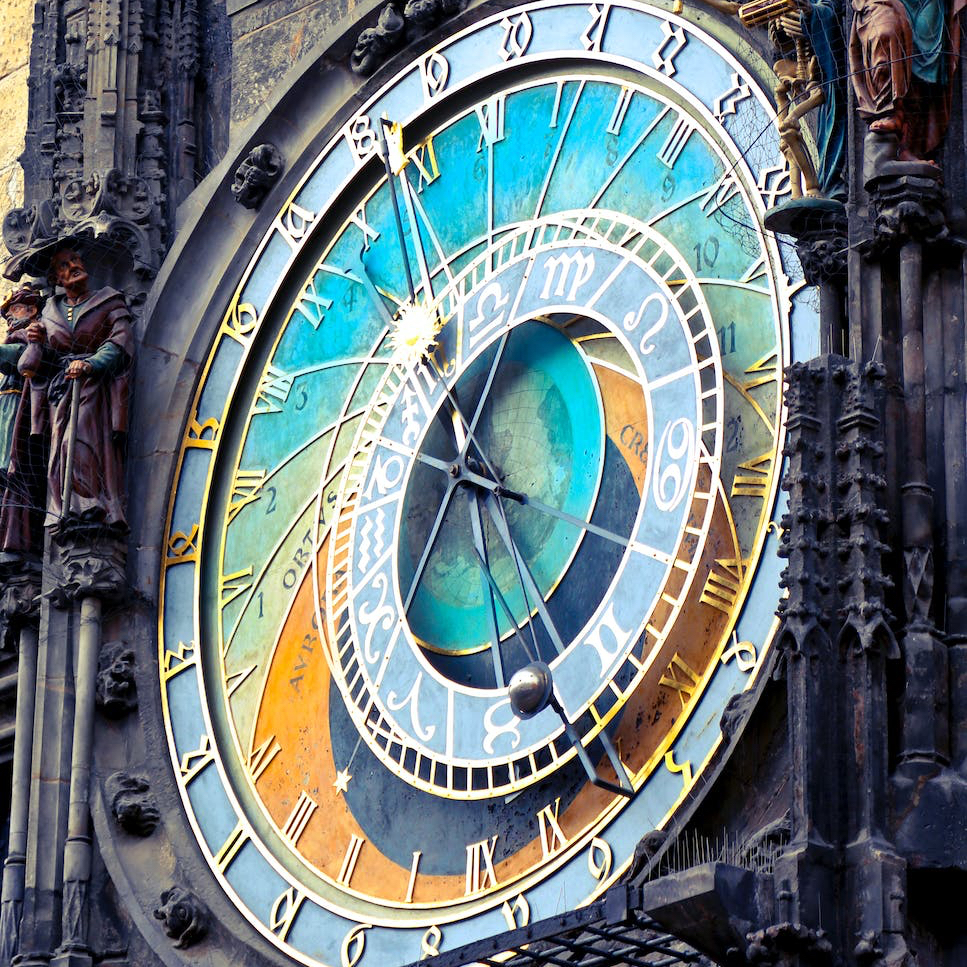
Our ancestors were astute observers of celestial patterns. Ancient astronomers, such as the Babylonians and the Chinese, developed methods to predict eclipses, often using intricate mathematical calculations and astronomical records. These early predictions were crucial for religious and societal planning, as well as for establishing calendars.
Modern Interpretations
As our understanding of the cosmos has evolved, so too have our interpretations of eclipses. Today, eclipses are viewed as natural phenomena resulting from the alignment of celestial bodies. Scientists and astronomers study them to gain insights into the workings of the universe, while enthusiasts and curious onlookers gather to witness these awe-inspiring events firsthand.
Eclipses have long held a special place in human history, shaping the beliefs and rituals of our ancestors. From ancient civilisations to modern times, these cosmic events have sparked wonder, fear and reverence throughout time. While our understanding of eclipses has changes, it is essential to acknowledge and appreciate the rich tapestry of cultural interpretations that have been woven throughout the ages. So, the next time you witness an eclipse, I invite you to take a moment to reflect on the ancient beliefs and rituals that have shaped our collective human experience.

 Shamanic Heartspace