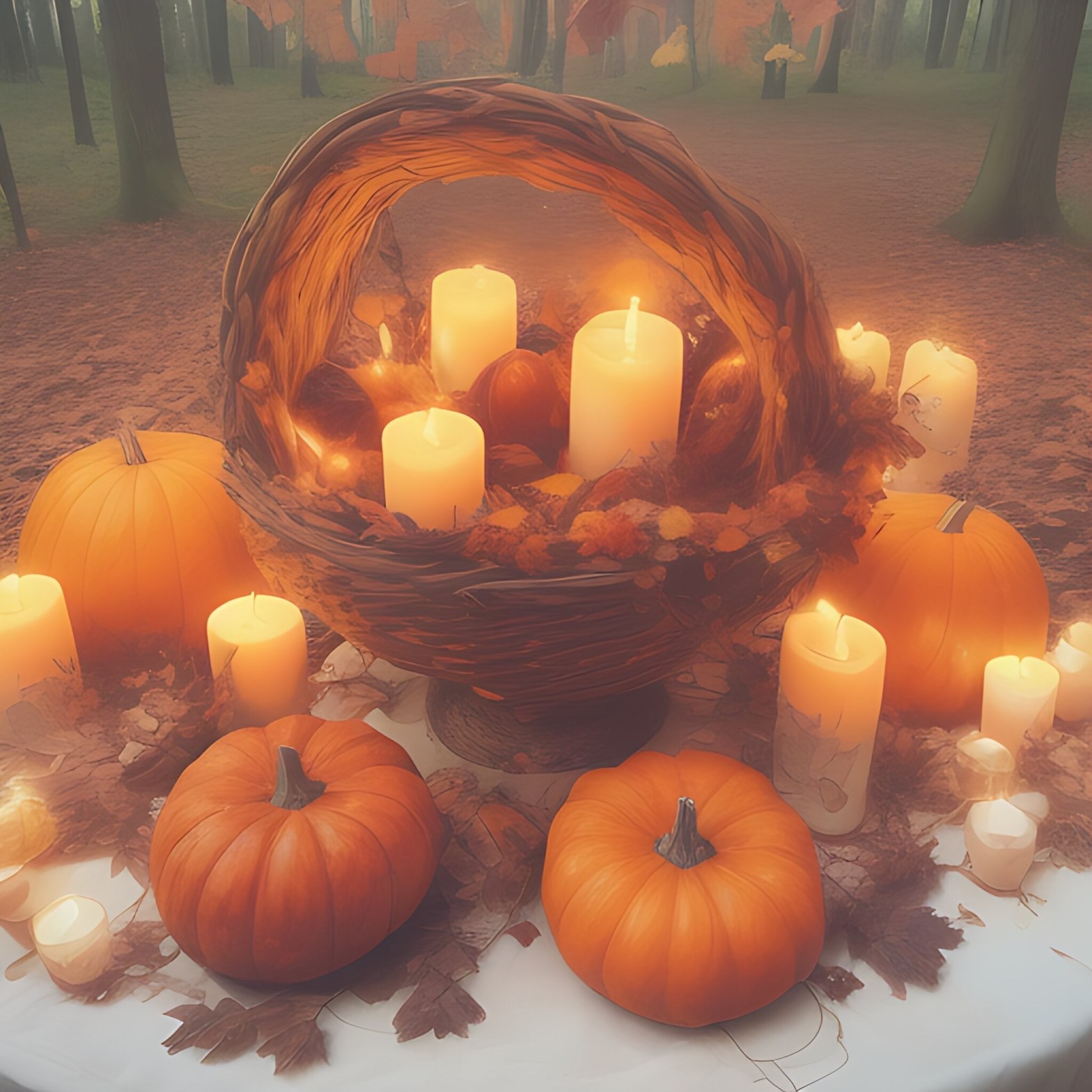
As the days grow shorter and the air turns crisp, we find ourselves transitioning from the warmth of summer to the cool embrace of autumn.
This change is marked by an event known as the autumn equinox, a time when day and night are of equal length. But have you ever wondered about the origins of this celebration?

The autumn equinox, also known as Mabon or the September, Libra or fall equinox, occurs annually around September 22nd or 23rd in the Northern Hemisphere. In the Southern Hemisphere, it is known as the spring equinox. This astronomical event holds great significance in various cultures and has been celebrated for centuries.
To understand the origins of the autumn equinox, we must delve into the realms of ancient civilisations and their deep connection with nature. Many ancient cultures, including the Mayans, Egyptians and Druids, observed the changing seasons and celestial events with great reverence.
In ancient Egypt, the autumn equinox marked the beginning of the harvest season. The Nile River played a vital role in Egyptian agriculture, and the equinox was seen as a time of balance between the flooding of the river and the fertile soil it left behind. The goddess Isis was associated with this time of year, representing fertility and abundance.
The Mayans, renowned for their advanced understanding of astronomy, built impressive structures aligned with the equinoxes and solstices. El Castillo, a pyramid in Chichen Itza, Mexico, is a prime example. During the autumn equinox, the play of sunlight and shadow creates the illusion of a serpent slithering down the pyramid’s steps, symbolising the return of life and the harvest season.
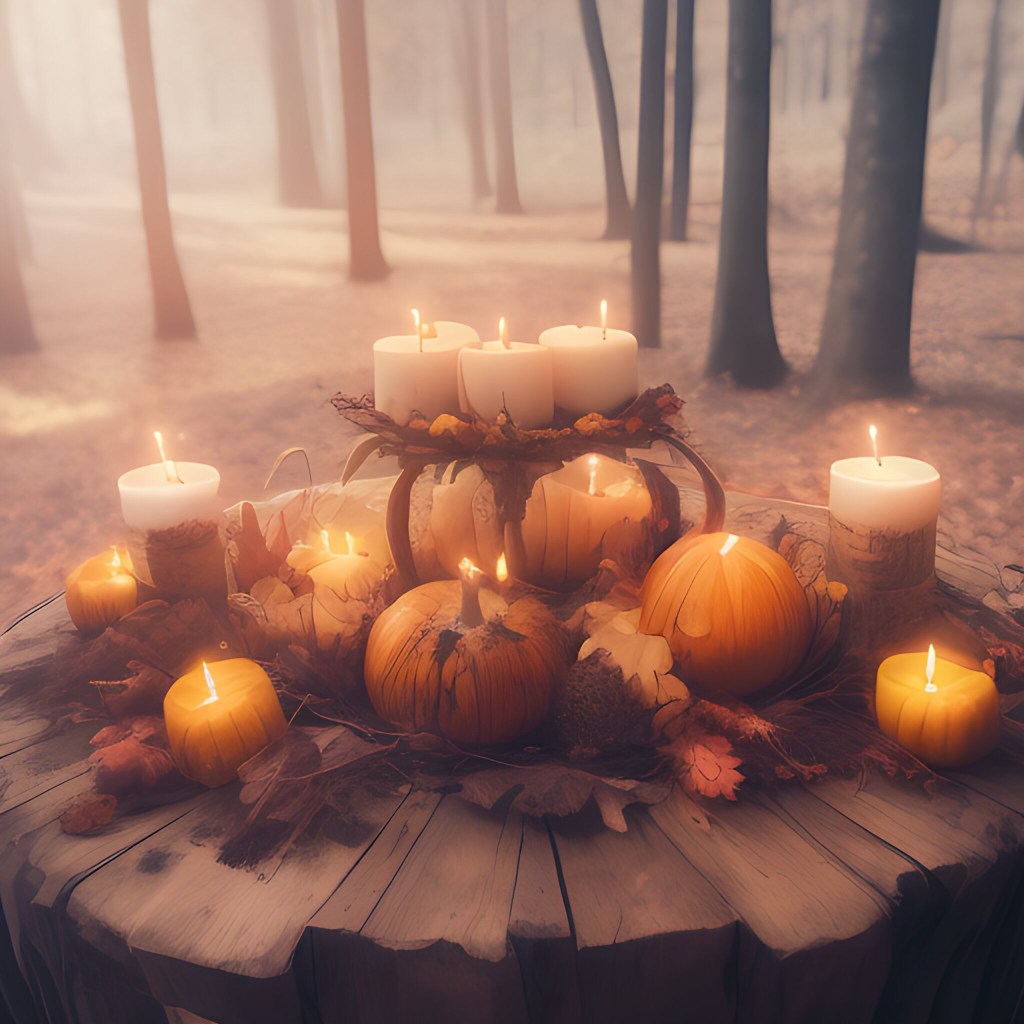
In Celtic traditions, the autumn equinox was celebrated as Mabon, a festival of thanksgiving for the bountiful harvest. The Druids, who were deeply connected to nature, believed that during this time, the veil between the physical and spiritual worlds was thin, allowing for easier communication with the divine. They would gather at Stonehenge, a sacred site aligned with the equinoxes, to honour the changing seasons.
The concept of balance is central to the autumn equinox. It is a time when light and darkness are in perfect equilibrium, reminding us of the delicate harmony that exists in nature.
This balance is reflected in the Chinese philosophy of yin and yang, where opposing forces complement each other. The autumn equinox represents the transition from yang (summer) to yin (winter), a time to find balance within ourselves and our surroundings.
Today, the autumn equinox continues to be celebrated in various ways around the world. In many cultures, it is a time to give thanks for the abundance of the harvest, to reflect on the changing seasons and to prepare for the colder months ahead. Festivals, feasts, and rituals are held to honour this significant event.
As we witness the arrival of the autumn equinox, let us take a moment to appreciate the ancient wisdom and traditions that have shaped our understanding of this near tangible phenomenon.
It serves as a reminder of the interconnectedness between humans and nature, and the importance of finding balance in our lives. So, as you sip on a warm cup of apple cider and watch the leaves change colour, remember the origins of the autumn equinox and embrace the beauty of this transitional season.

To help harness the energies of connection, balance and abundance available this equinox, I’ll be hosting a special event. We will go on a shamanic journey together, creating a safe container to release, restore and revive ourselves as the wheel of the year turns once more. Find the event information here.
Wishing you warmth and light as we embark on the next phase. May we stand together and celebrate all that we have in common as humanity and welcome more compassion, understanding and abundance. And so it is.
Nancy El Amor
 Shamanic Heartspace